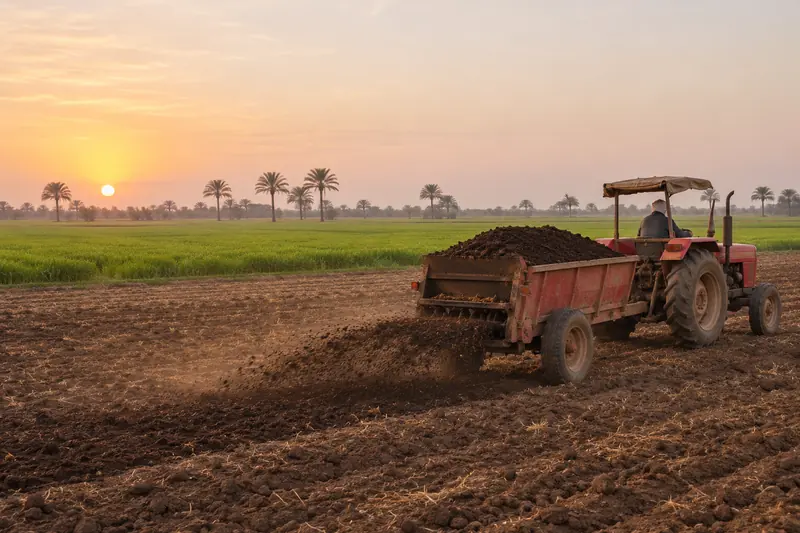
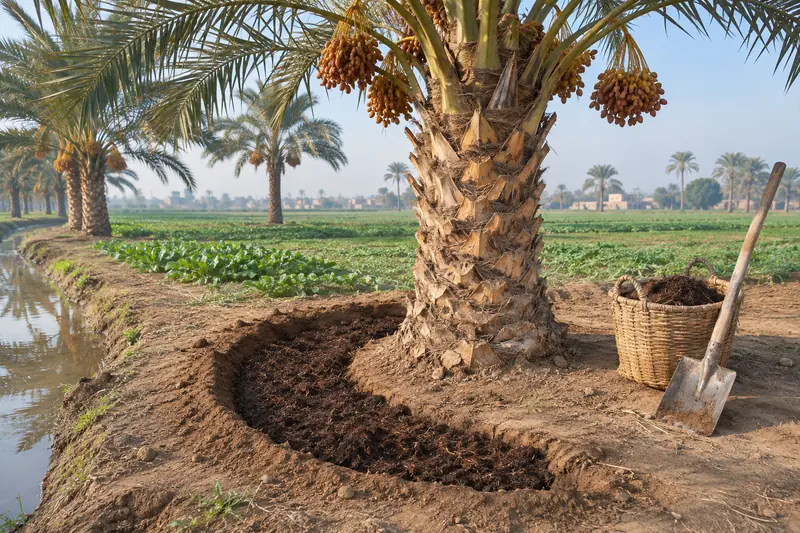
Organic Fertilizer for Strawberries, Onions and Garlic
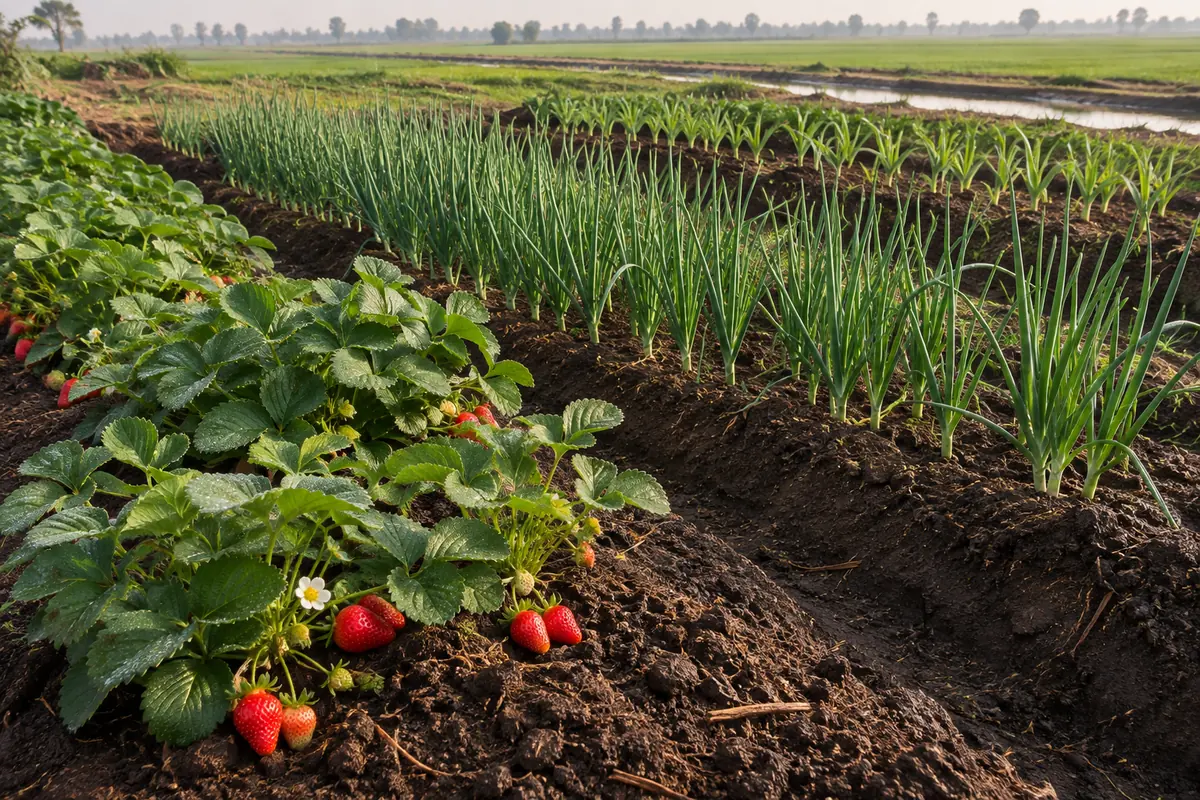
Organic feeding for strawberries, onions and garlic starts with well-composted manure or mature compost, mixed into the bed well before planting. The edible part of all three touches the soil or is eaten raw, and fresh manure burns roots and carries pathogens. There is no single dose that fits every farm, so ask your agronomist and run a soil test before deciding quantities.
These three crops were named first in a September 2026 report on bio-fertilizers from Egypt’s Agricultural Economics Institute, which is why they are getting attention as farmers look to trim mineral fertilizer. But the question we hear from growers is simpler: which organic input, when, and how do I avoid burning the crop? That is what this post covers.
For this use we offer plant and animal compost at 650 EGP per ton and several types of poultry manure, including broiler poultry litter at 900 EGP per ton. Prices are per ton, confirmed by sales at order time. Below we explain which suits early bed preparation and which needs caution.
Why these three crops, and why now
According to the Agricultural Economics Institute report, as published by Banker News in September 2026, bio-fertilizers could cut mineral nitrogen use by 20 to 30% (about 24% on average) and cut the carbon footprint of fertilization by up to 30%. The report suggests starting with strawberries, onions and garlic, then potatoes, then grape and citrus programmes.
One distinction matters: the report is about bio-fertilizers, which are microbial products, not farmyard manure or compost. We do not attribute its results to our products. We mention it because it explains the spotlight on these crops, and because organic matter still normally sits alongside a mineral programme rather than replacing it.
Rule one: no fresh manure
Agronomy sources (including agro-lib, greenfue and worldofagri) agree that fresh poultry manure is high in ammonia and burns plants, roots and seedlings. Manure that is only partly composted can also start fermenting again in the soil, heating it and damaging roots and seedlings. Gardening sources add that fresh manure can carry Salmonella, Campylobacter and E. coli.
That matters for these crops in particular:
- Strawberries have small transplants, fruit that sits close to the soil, and are usually eaten fresh.
- Onions and garlic form the edible bulb inside the soil.
The sources advise against fresh manure on crops eaten raw. If fresh is all you have, talk to our team about timing before it goes anywhere near a bed.
How long should manure compost? Sources differ
Recommended ageing varies by source, from two to three months up to six months. Compost guides give these figures:
| Method | What the sources say |
|---|---|
| Fresh manure | Burns within a day or two; can carry pathogens |
| Hot compost (turned regularly) | About 6 to 10 weeks start to finish; 60 to 90 days is typical |
| Cold compost | 6 to 12 months |
| Aged only, not hot-composted | Needs a longer safety gap before harvest |
Gardening sources also cite the USDA organic standard: 55 to 77 °C for 3 days in an enclosed, aerated system, or 15 days with at least five turnings in an open windrow. We quote it to explain what proper composting involves. It is not a certification claim by us, and not a legal requirement for you.
The pre-harvest gap
For manure that has been aged but not hot-composted, the same USDA rule says to apply it at least 120 days before harvest for crops whose edible part touches the soil, and 90 days for others. In practice:
- Strawberries, onions and garlic fall in the first group, so count back 120 days from your harvest date.
- Mature, hot-composted material is treated less strictly, but that is no reason to be careless.
So timing matters more than the product name. It is also why bed preparation should happen early, not a few days before planting.
What good compost looks like
Mature compost is dark, crumbly and earthy-smelling, not sharp. Immature compost has a high carbon-to-nitrogen ratio and can stunt growth instead of helping it. We walk through the test in how to tell when compost is mature, and for any organic fertilizer you are about to buy, 7 checks for organic fertilizer quality is a good companion.
Which of our products suit these crops
We do not promise any particular result, and we cannot describe each batch for you from here, but these are the points to weigh:
- Plant and animal compost, 650 EGP per ton: a candidate when you want organic matter for beds and early preparation. Ask sales about the batch and check it against the signs above.
- Layer poultry manure, 1,400 EGP per ton, and broiler poultry litter, 900 EGP per ton: described as rich in nutrients, so quantity and timing need care.
- Fresh belt poultry manure, 750 EGP per ton: fresh by nature, so it should not go into these crops’ beds close to planting. Ask our team about timing.
- Poultry mix, 750 EGP per ton: described as concentrated, so the same caution applies.
- More options sit in our compost and blends range.
If you are weighing poultry against other manure, or worried about burn, read does chicken manure burn plants first.
Salinity: do not ignore it
Soil-improvement sources note that organic fertilizers can carry a high salt load and recommend watching soil salinity, especially near the coast. Before raising a rate, ask for a salinity reading with your soil test. The same sources favour splitting fertilization into several doses and using drip irrigation, rather than one large application.
Doses: where the numbers come from
In the sources we reviewed, we found no reliable organic-fertilizer rates for strawberries, onions or garlic, and we will not invent one. The right quantity depends on your soil, variety, irrigation system and the stage of the crop. The sound sequence is simple: test the soil, agree a programme with your agronomist, then tell us the tonnage.
Practical steps before you order
- Test the soil for organic matter, salinity and nutrients.
- Fix your harvest date and count back the pre-harvest gap.
- Choose a mature material for beds, and ask about the batch’s age.
- Inspect the load on arrival: smell, heat and moisture.
- Mix it into the soil early, and keep it off the roots.
- Set mineral fertilizer with your agronomist after counting the organic input.
For a cost view of organic against mineral inputs, see organic vs chemical fertilizer.
FAQ
Can I fertilize strawberries with chicken manure?
Usually yes, provided it is well composted, mixed into the soil early and kept off the roots. Fresh manure burns transplants, and strawberries are eaten fresh, so be careful. Agree the type and quantity with your agronomist.
How much compost does a feddan of onions or garlic need?
We found no reliable figure for these two crops in our sources, and we will not make one up. It depends on soil, variety and irrigation. Test the soil, ask your agronomist, then send us the tonnage.
Does organic fertilizer replace mineral fertilizer on these crops?
The Agricultural Economics Institute report talks about cutting mineral nitrogen by 20 to 30% with bio-fertilizers, not eliminating it, and it concerns bio-fertilizers rather than manure. Organic inputs are best managed alongside mineral ones under technical advice.
Order compost or manure for your beds
Choose your product, quantity in tons and governorate on the order form and our sales team will confirm price, available quantity and delivery date. We deliver to every governorate in Egypt from Itay El Baroud in Beheira. Ask about the age and condition of a batch before you order, on WhatsApp at 01012205022 or through the contact page. The full range is in the shop.