Organic vs Chemical Fertilizer in 2026: What the Price Jump Means for Your Farm
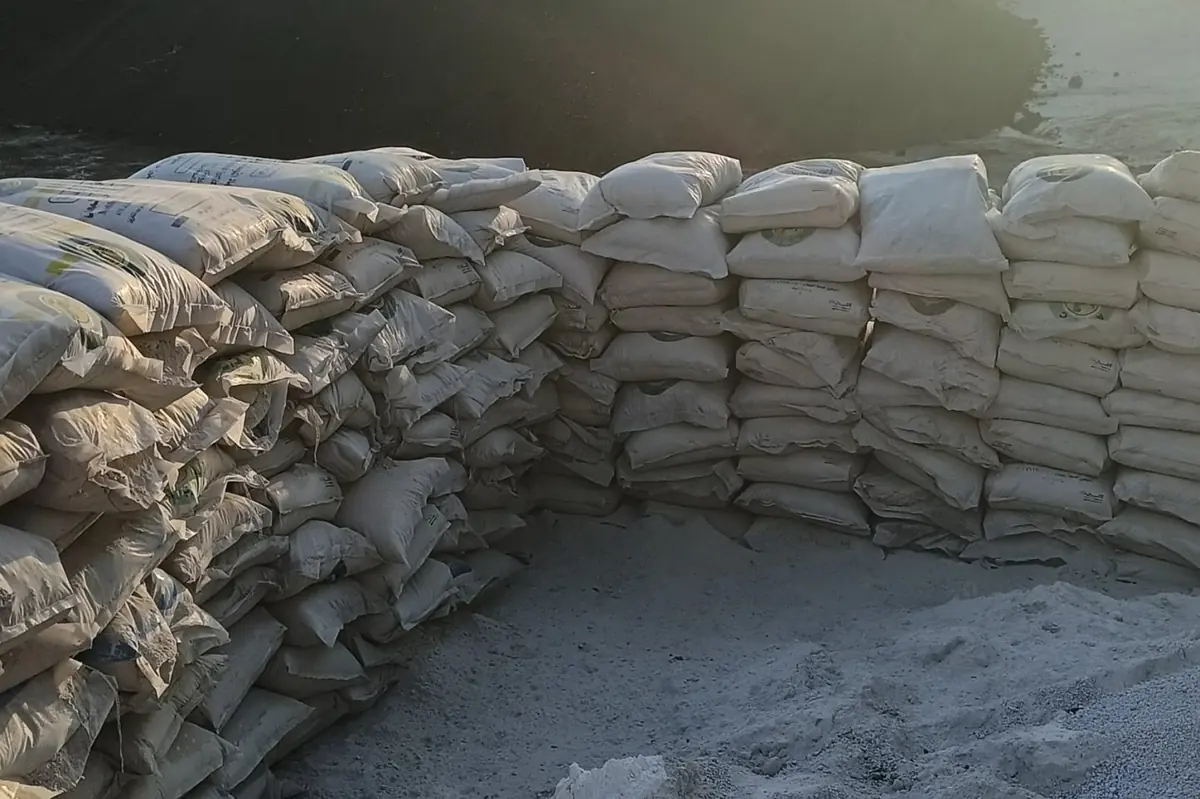
Organic fertilizer is a complement to chemical fertilizer, not a straight replacement. On 11 November 2026 an organic bag retailed at about 270 EGP against about 1,300 EGP for a chemical bag (Ahram Gate), but those bags differ in weight and nutrient content. Organic is usually more expensive per unit of nutrient; its real value is soil building. The realistic path is a mix of both.
What happened to fertilizer prices in 2026
In April 2026 the free-market price of nitrogen fertilizer jumped to about 28,000 EGP per ton, up from about 22,000 in February and March. Al-Araby Al-Jadeed attributed the rise to gas costs. The Ministry of Agriculture denied any official price increase at the time and announced it would expand the use of bio-fertilizers, as reported by Ahram Business.
On 11 November 2026, Ahram Gate published these figures:
| Item | Price |
|---|---|
| Urea, free market | about 24,534 EGP per ton |
| Ammonium nitrate, free market | about 23,847 EGP per ton |
| Ammonium sulphate, free market | about 20,336 EGP per ton |
| Urea bag, subsidised co-op | 290 EGP |
| Nitrate bag, subsidised co-op | 285 EGP |
| Chemical fertilizer bag, retail | about 1,300 EGP |
| Organic fertilizer bag, retail | about 270 EGP |
These are press-reported prices on a specific date, and they move daily. They are not our prices and we make no promise about how ours compare.
Why comparing the two bags misleads
The last two rows invite a quick conclusion: organic is four times cheaper. But the report does not give the bag weight. Even at equal weight, chemical fertilizers are concentrated, so a kilo carries a lot of nitrogen. A kilo of manure or compost carries far less, and part of it only becomes available to the plant after the soil organisms have broken it down over months.
So the right question is not “what does a bag cost?” but “what do I pay per unit of the nutrient my crop needs?” Market reports on organic fertilizer published in 2026 say organic typically costs 30 to 50 percent more than urea per unit of nutrient, and that this price gap is the main barrier to wider use. In plain terms: trying to replace urea entirely with manure usually costs more than farmers expect.
What organic buys that chemical does not
Chemical fertilizer delivers a ready nutrient quickly. Organic fertilizer delivers something else:
- Organic matter, which improves soil structure and water holding.
- Food for soil organisms.
- Slower nutrient release across the season, instead of everything washing out with the first irrigation.
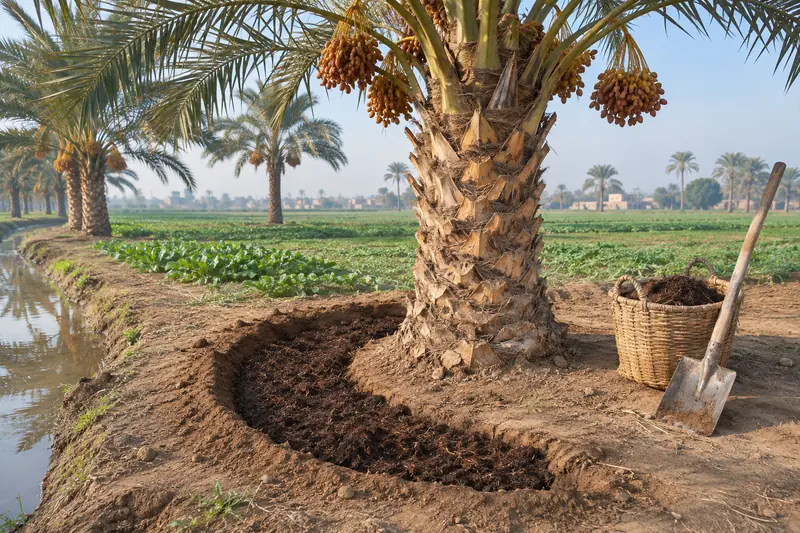
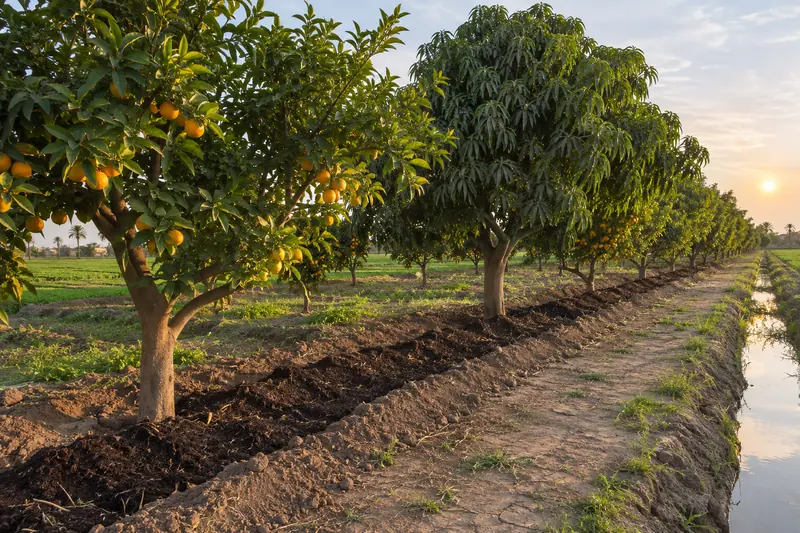
This matters most on sandy and reclaimed land. Egyptian agricultural sources (Mawdoo3, Hundzsoil Egypt, Alfilahia) note that sandy soil is short of organic matter and loses mineral fertilizer with irrigation water, and that combining organic and mineral fertilizer raises the plant’s use of what you apply. For that case see improving sandy and reclaimed soil with organic matter and gypsum.
On heavy clay the effect is different: farmyard manure improves structure and loosens the soil, which a bag of urea cannot do.
Prices are not the whole bill: what sits between the yard and your field
Dostor reported on 24 May 2026 that certified compost was around 1,800 EGP per ton at source, and that retail sales add 500 to 1,200 EGP per ton for transport and margin. The figure matters less than the point: between a ton at the producer and a ton on your land sits a layer of cost, and its share per ton shrinks as the quantity grows. Ask for a price delivered to your field, per ton, and ask what vehicle and load size the quote assumes before comparing two offers.
How farmers are actually using it
The picture is similar abroad. A study in Applied Economics Education and Extension (November 2026), covered by Yahoo News, surveyed South Dakota grain farmers. Fertilizer prices had risen again in 2026, and farmers treated alternatives as complements rather than replacements. The most common combination was slow-release fertilizer plus organic, at 16 percent.
In Egypt, the Agricultural Economics Institute (September 2026, via Banker News) estimated that bio-fertilizers could cut mineral nitrogen use by 20 to 30 percent. That figure is about bio-fertilizers, not farmyard manure or compost, and we do not attach it to our products. More on that in what the 2026 numbers say about organic and bio-fertilizers.
A practical example: wheat
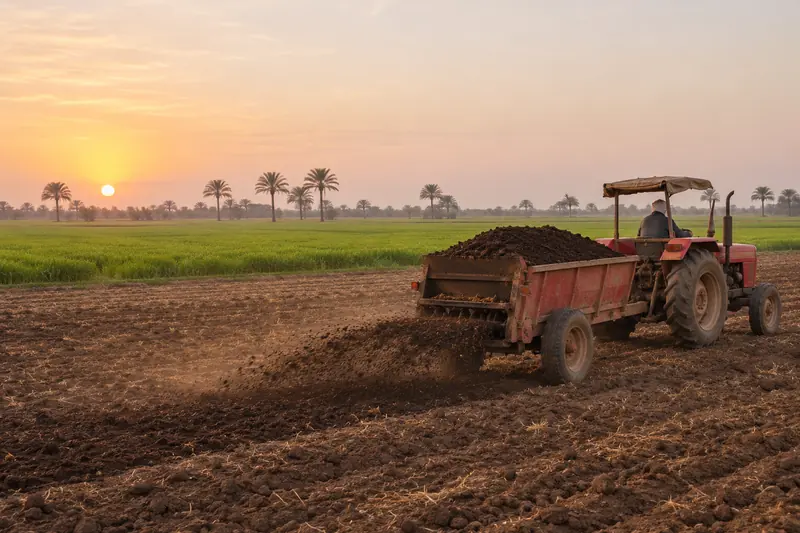
Wheat shows how it works, and the sowing window (15 November to early December) is close. Egyptian extension articles (elaard.com, elbalad.news) quote about 20 cubic metres per feddan of well-decomposed farmyard manure or compost mixed in during land preparation, with some saying 10 to 20. They say this lets you cut mineral nitrogen by about 15 kg N per feddan. These are ranges quoted by Egyptian extension sources, not our recommendation, and they vary with soil, irrigation water quality, variety and sowing date, so adjust them by a soil test. The full walk-through is in preparing wheat with organic manure.
Notice what happened: the organic input did not remove the chemical one. It reduced part of it and left organic matter in the soil. That is the realistic path.
Two cautions before you switch
Salts. Some organic fertilizers can be high in salts, and Egyptian sources warn about soil salinity, especially near the coast. Do not apply large quantities at once on salty ground before testing soil and water.
Maturity. Manure that has not decomposed can harm seedlings and roots instead of helping them. This is especially true of poultry manure, so we wrote a separate piece: does chicken manure burn plants?.
How to work out your own cost
- Ask any seller, organic or chemical, for the product analysis and the real bag or load weight.
- Work out the price per kilo of the nutrient you need, not per bag.
- Add transport and spreading. Organic material is heavier per unit of nutrient.
- Subtract what you save by reducing the chemical share, then weigh the effect of organic matter on the next seasons, which a one-season calculation cannot show.
- Before buying, run through the checks for judging organic fertilizer quality so you do not pay for excess moisture or unfinished material.
When to lean organic and when to stay chemical
| Situation | Better fit |
|---|---|
| Sandy or reclaimed land that loses fertilizer to irrigation | Organic base plus split mineral feeding |
| Soil short of organic matter | Organic as the main pre-planting input |
| A crop needing a fast nitrogen dose at a specific stage | Chemical at the right time, organic at land preparation |
| Tight budget this season | Reduce part of the chemical step by step; do not drop it |
Our prices per ton
We sell organic fertilizer by the ton, not by the bag. Local livestock manure is 275 EGP per ton, raw livestock manure 375, plant and animal compost 650, fresh belt poultry manure 750, broiler poultry litter 900 and layer poultry manure 1,400. All prices are per ton, confirmed by sales at order time. You can browse the full livestock manure and poultry manure ranges and choose by your soil and crop.
FAQ
Can organic fertilizer replace urea?
Usually not on its own. Organic gives fewer nutrients per kilo and releases them slowly, so growers normally combine it: organic at land preparation, and a reduced mineral dose at the critical growth stages. Ask your agricultural adviser what range suits your crop.
Is organic actually cheaper?
The price per bag or per ton is lower, but the cost per unit of nutrient is often higher according to market reports. The case for organic rests on soil building over several seasons, so calculate per kilo of nutrient rather than per bag.
How do I start switching gradually?
Pick one plot or one crop. Add organic material at land preparation, trim the chemical dose by a small share, and watch the crop. Expand based on what you see. Never remove chemical fertilizer in one move.
Place your order
Choose the type, the quantity in tons and your governorate on the order form. It opens a WhatsApp message with a reference number, and our sales team confirms the price and delivery date. We deliver to all Egyptian governorates. If you want help choosing a type, message us on WhatsApp at 01012205022, use the contact page, or look through the shop.