Organic Fertilizer and Organic Certification in Egypt: What Growers Need to Know
Using organic fertilizer does not make a farm certified organic. Certification judges the whole system: the land’s history, a conversion period (about two years for annual crops and three for perennials, per Ministerial Decree 169 of 2021, the executive regulations of Law 12 of 2020), approved inputs, records, and inspections by a body registered under Law 12 of 2020. Check every input, manure included, with your certifier before you buy.
The confusion that costs growers money
A grower buys composted manure, stops using urea, and starts telling buyers the farm is organic. Months later a buyer asks for the certificate and there is none. This happens often enough that it is worth clearing up first.
There are two different things with similar names:
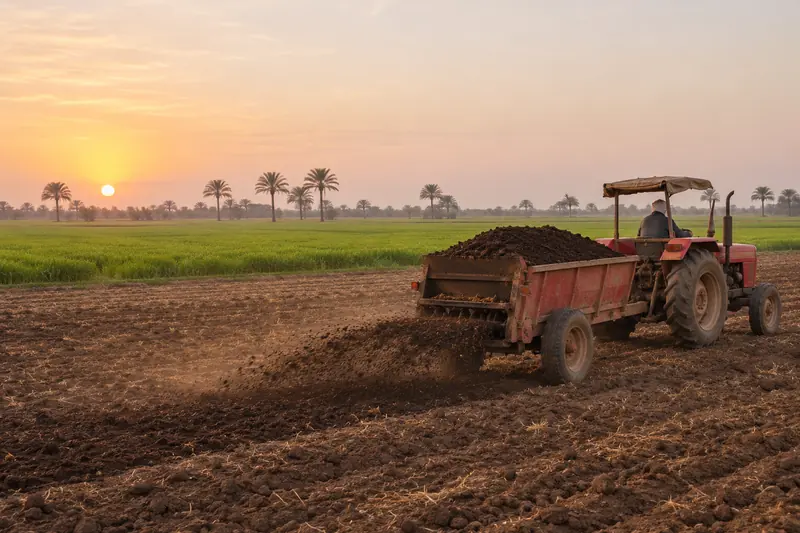
- Organic fertilizer is a type of input: manure, compost and similar materials made from plant or animal matter. Anyone can use it, on any farm, for any reason. Using it is good practice for soil, and many conventional farms use it every year.
- Organic farming certification is a legal and commercial status. A farm or product is allowed to be called “organic” only after an inspection and certification process that looks at the entire production system, not at one input.
An Arabic article by Prof. Rabie Mostafa in Al-Fallah Al-Youm (checked on 14 November 2026) makes a related point: a certificate of pesticide residues only shows that a product was within limits when it was tested. It does not prove the farm is organic, because the whole farming system is assessed.
This article explains what the sources we found say about the Egyptian system and where manure fits. It is not legal advice, and it is not a promise of any status for any farm. Rules change, and the final word always belongs to the certification body you choose.
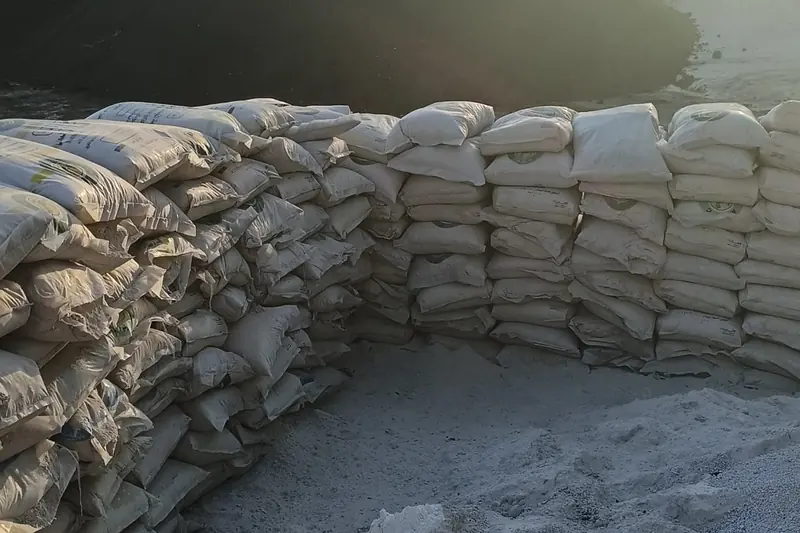
A note on what we claim. Al Omariya sells manure, compost and blends by the ton. We make no organic certification claim for any of our products on this page, and we publish no lab figures here. If you farm for an organic market, the correct step is to ask your certifier whether a given input is acceptable and to ask us, or any supplier, what documents you can get.
If you use manure or compost while you plan, our plant and animal compost is 650 EGP per ton and the Al Omariya economy blend is 750 EGP per ton, with the full range under compost and blends. Prices are per ton, confirmed by sales at order time, and none of this implies organic status for any product.
The legal frame in Egypt
The sources we found point to Egyptian Organic Agriculture Law No. 12 of 2020 and its executive regulations. We read the text of the executive regulations as republished from the Official Gazette (mirror), and it supports the points below. Confirm them against the official text:
- Certification and inspection bodies must register with the General Administration of Organic Agriculture and receive a registration number, which they put on the documents and certificates they issue.
- Conformity bodies must report certificate data and audit results to the authorities within 30 days of issuing.
The Al-Fallah Al-Youm article names the roles this way: the Central Administration of Organic Agriculture in the Ministry of Agriculture and Land Reclamation sets production standards, reviews inputs and registers inspection bodies, and the National Food Safety Authority oversees marketing and labelling of processed organic products.
Ministerial Decree No. 169 of 2021, which is also listed on the MacMap trade-measures database, issued the executive regulations of Law 12 of 2020. It was published in the Egyptian Official Gazette (Al-Waqa’i Al-Misriyya, issue 189 supplement A, 26 August 2021), and the conversion periods are set in Article 60 of its annexed standards. The MacMap PDF refused our access, so we checked the gazette text on the mirror above. Verify with the official text before relying on it.
Who certifies in Egypt?
Several names appear in the sources:
- The Egyptian Center of Organic Agriculture (ECOA), described as one of the oldest bodies in the country.
- The Center of Organic Agriculture in Egypt (COAE), whose own site at coae-egypt.com says it holds accreditation under ISO/IEC 17065:2012 from EGAC and a registration certificate under Law 12 of 2020.
- Foreign certifiers working in Egypt, among them BCS (Kiwa), which the Al-Fallah article says is useful for EU exports, and others named in the sources.
Lists of certifiers change, so do not treat ours as complete or current. The sensible approach is simple: ask the certifier which scheme you need, based on where you will sell.
Which market are you selling to?
This is the question that decides everything else.
- Export to the EU or another regulated market. The buyer will name the standard, and the certificate must come from a body they accept.
- Local organic market. Local schemes exist, and COAE’s page mentions a local organic scheme among its services. Check what retailers and wholesalers in your channel actually require.
- No organic claim. If you simply want better soil and lower input cost, you do not need certification. You can still use organic fertilizer and describe it honestly, for example “grown with composted manure”, without the word “organic” on the label of the produce.
The conversion period
Land that has been farmed conventionally cannot be certified on day one. The sources we found describe a conversion period:
- The Al-Fallah article says conventional land generally needs about 2 to 3 years. During that time you may farm organically but cannot sell the output as organic. It is sold as “under conversion”. Virgin land that was never farmed can be registered directly after soil and water tests.
- Article 60 of the standards annexed to Ministerial Decree 169 of 2021 sets a conversion period of no less than two years before sowing for grassland, permanent fodder and seasonal (annual) crops, and at least three years from the first organic harvest for perennial crops. The administration may recognize a past period retroactively if there is convincing proof covering at least three years, and may extend the period where land is contaminated by prohibited products.
- An older GFRS paper on certification in developing countries gives the same pattern, two years for annual crops and three for perennials, and adds that harvests can be marketed as conversion goods after twelve months. That statement is from the GFRS paper, not from the Egyptian regulation.
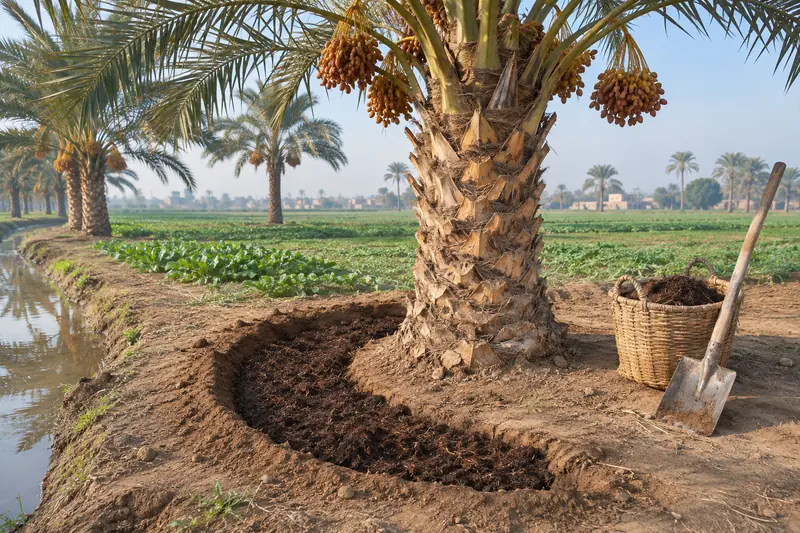
For a grower the lesson is practical. The earlier you stop prohibited inputs and start keeping records, the shorter the wait can be, if the certifier accepts your history. A date palm grower or an olive grower, with perennial crops, should plan for the three-year pattern.
What inputs are allowed and prohibited?
The Al-Fallah article lists:
- Prohibited: synthetic fertilizers such as urea, nitrates and compound NPK, synthetic pesticides, fungicides and herbicides, and genetically modified seed. Seed treated with chemical fungicides is also excluded.
- Permitted alternatives: heat-treated compost, green manure, biofertilizers, natural rock phosphate and crop rotation.
- Limited use: copper sulfate and micronized sulfur within set limits.
- Other requirements: clean irrigation water, buffer zones or windbreaks between organic and conventional land, detailed records of inputs and yields, and periodic unannounced inspections with soil, water and plant sampling.
Look at the phrase “heat-treated compost”. It tells you how certifiers think about manure, which is the next topic.
Manure under organic rules
Raw manure is where most growers meet their first surprise, because organic standards are strict about it for food safety reasons.
The Egyptian executive regulations say soil fertility should be kept up through crop rotation, green manure and aerobically composted animal and plant manures (compost), allow the fertilizers and soil improvers listed in their Annex 1, and require fertilization records to be kept for five years. We did not go through Annex 1 item by item, so we cannot tell you which manure products it accepts. For the kind of detailed manure rules a certifier may apply, here is a clear example from the United States organic program, summarized by the eOrganic extension article Managing Manure Fertilizers in Organic Systems, so that you know the kind of questions your own certifier may ask:
- Raw manure may go on perennials and on crops not intended for human consumption.
- For human-food crops whose edible part touches soil, raw manure must be incorporated at least 120 days before harvest. For crops without soil contact, such as sweet corn, the interval is 90 days.
- Composting to count as compost requires a starting carbon-to-nitrogen ratio of 25:1 to 40:1 and a temperature of 131 to 170 degrees Fahrenheit (55 to 77 Celsius) for 3 days in an enclosed or static aerated pile, or 15 days in a windrow turned at least five times.
- Aged or stacked manure that has not been properly composted is treated as raw manure.
- Biosolids and sewage sludge are prohibited.
- If you buy compost or processed manure, you should obtain supplier documentation that it complies and keep it with your purchase receipts.
- Many certifiers also expect applications to stay within agronomic rates, meaning no more than the crop needs.
Those rules belong to the US scheme. Egypt’s regulation, the EU rules for export and a private scheme may differ in numbers and wording. We list them because the pattern is common: untreated manure is limited, composted manure with a documented process is easier, and documentation matters. Our article on how to tell compost is mature covers the physical signs, and does chicken manure burn plants? covers the composting times for poultry manure.
What a certifier will actually ask you for
From the Al-Fallah article and the eOrganic piece, expect requests in these areas:
- Field history. What was grown, and which inputs were used, for the past years.
- Farm map and neighbours. Where the organic land ends and conventional land begins, and what buffer exists.
- Water. Source and quality.
- Inputs. A list of every fertilizer, soil improver and plant-protection product, with the supplier and invoices.
- Records. Planting, treatments, harvest quantities, storage and sales.
- Inspection. Annual visits and possible unannounced ones, with sampling.
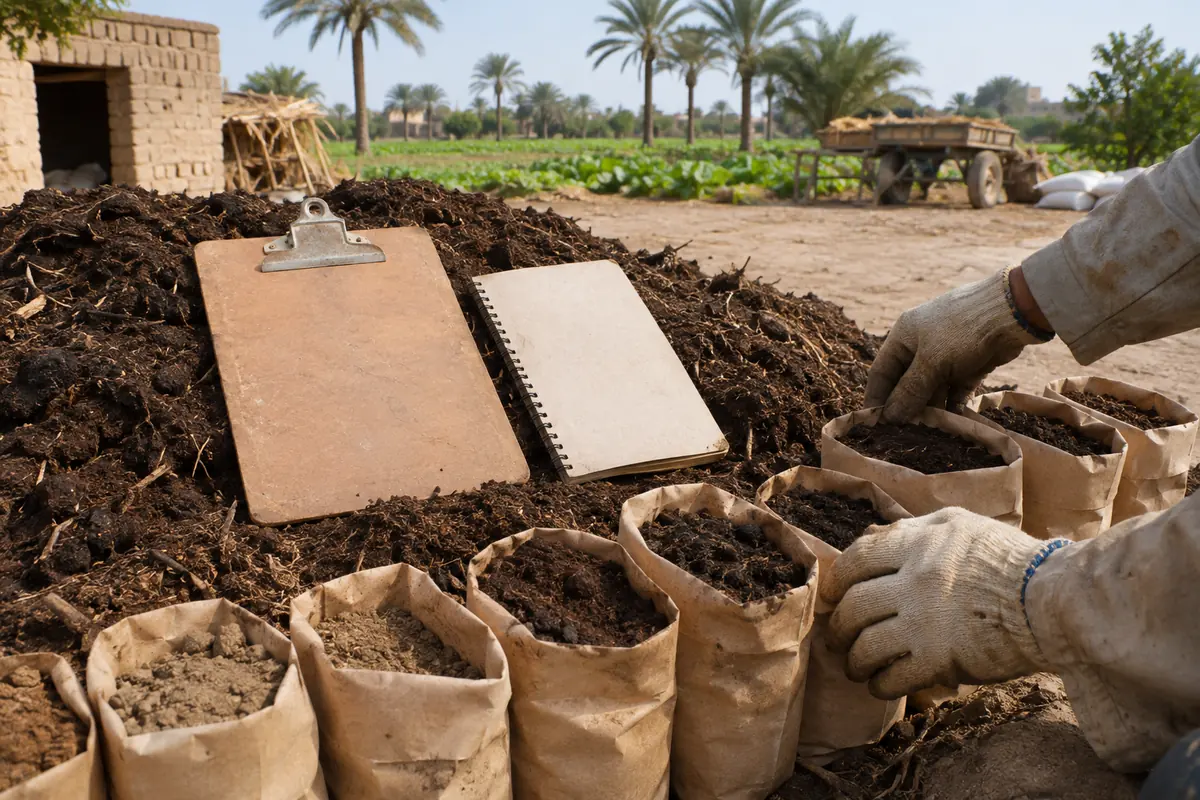
Keep the invoices and delivery notes for every manure delivery. When your supplier can tell you the type of manure, how long it was aged or composted and where it came from, write it on the record. If a supplier cannot tell you, that is a risk for your certification.
Costs, time and realism
We did not find reliable current figures for certification fees in Egypt, so we do not quote any. The sources agree on the time: two to three years of conversion for most land. Plan the cash flow for those years, when you may pay more for inputs and labor and sell at conventional prices or at a “conversion” price, if the buyer accepts it.
Organic is also not the only way to reduce chemical cost. The Agricultural Economics Institute report on bio-fertilizers (September 2026, via Banker News) is discussed in organic and bio-fertilizers in 2026, and the price picture against mineral fertilizer is in organic vs chemical fertilizer in 2026. A farm can cut mineral fertilizer spending without seeking certification.
What to ask your fertilizer supplier
If you are in conversion or planning for it, ask every supplier:
- What exactly is the product: raw manure, aged manure, composted material, a blend? Of which animals?
- If it is composted, how was it composted, for how long, and can you give any record of the process?
- Does the product contain anything other than manure and plant matter, such as added mineral fertilizer, binders or additives?
- Can I get a written description of the product I can show my certifier?
- Where does it come from, and are deliveries consistent from one load to the next?
- Will you state in writing what you do and do not claim about it?
Ask the same questions of us. We can describe what we sell and the price per ton, and our sales team confirms details at order time. We do not claim organic certification, and whether a product is accepted in your scheme is for your certifier to decide.
If you are buying for resale or export, buying organic fertilizer in bulk from Egypt has a buyer’s checklist.
Our products, for farms not seeking certification, and for those checking
Prices are per ton, confirmed by sales at order time:
- Plant and animal compost: 650 EGP per ton
- Al Omariya economy blend: 750 EGP per ton
- Al Omariya regular blend: 950 EGP per ton
- Al Omariya complete blend: 1,050 EGP per ton
- Mix 70/30: 450 EGP per ton
You can compare the whole range in compost and blends. For salt-affected land, where organic matter and gypsum work together, see salty soil: how organic matter and gypsum work together.
A simple path for a grower who wants to certify
- Decide the market. Export, local organic, or none. Ask buyers which standard they need.
- Contact two certifiers from the list above and ask for their requirements, timing and fees in writing.
- Stop prohibited inputs on the plots you want to convert, and write down the date.
- Start records the same week: field map, inputs, invoices, labor, harvest.
- Review every input with the certifier before buying it. Include manure and compost.
- Prepare for inspection: storage areas, buffer zones, water source, labelled containers.
- Sell correctly: as conventional while you convert, as “in conversion” only if your certifier allows it, and as organic only with the certificate.
Common mistakes
Saying “organic” without a certificate. The legal status comes from certification, and the word on a label can create problems with buyers and authorities.
Assuming any manure is accepted. Rules on raw and composted manure differ, and some certifiers limit manure from certain sources. Ask first.
Mixing records. One notebook for organic and conventional plots makes inspection hard. Keep plots separate.
Ignoring the neighbours. Spray drift and canal water from conventional fields are on the inspector’s checklist, per the sources.
Buying inputs without paperwork. When a certifier asks where the compost came from, a verbal answer is weak.
Expecting fast premiums. Two to three years of conversion is normal. Budget for it.
Order manure for your plots
If you have your certifier’s guidance on what manure is acceptable, tell our sales team and we will say honestly whether our products fit your description. Choose the product, tons and governorate on the order page, which opens a WhatsApp message with a reference number. The team confirms price, availability and delivery date. We deliver to all Egyptian governorates and have worked with organic fertilizer since 1984. You can browse the shop or contact us on WhatsApp to ask a question first.
FAQ
Does using organic fertilizer make my farm certified organic?
No. Certification covers the whole system: land history, a conversion period, approved inputs, records and inspections by a registered body. Organic fertilizer is one input among many.
How long is the conversion period in Egypt?
The sources report about two years for annual crops and three for perennials, with some flexibility for past history. The decree’s Article 60 says at least two years before sowing for annual crops and three years from the first organic harvest for perennials; confirm the exact periods and any past-years credit with your certifier.
Is a pesticide residue certificate the same as an organic certificate?
No. A residue test shows the product was within limits when tested. It does not assess the farming system.
Can I use manure on a farm in conversion?
Often yes, but certifiers have rules on source, composting and timing. Ask yours before you buy, and keep the supplier paperwork.